CareersAgency-Paid Leads
Agency-Paid Leads Program in Carrollton
New agents shouldn't spend money before they make any. Here the agency pays for the leads, and you call people who asked to hear about life insurance. Your job is to show up, work them well and keep learning.

Agency-paid leads: you don't buy your own
Plenty of agencies make new agents pay for their own leads. Some of those people never answer. Some never buy. You can be down money before you close a single sale. We run it the other way. The agency pays for the leads and passes them to agents who have their license and are actively working.
Every lead you get started with someone asking for details about life insurance. They're expecting to hear back. That makes the call feel different. You're not begging a stranger for five minutes. You're answering a question they put in themselves.
The state sets rules here, and we stick to them. Nobody works a lead until they hold a Texas life license and are contracted with a carrier. We take you through both requirements in order, so no step gets missed and nothing has to be redone.
What comes with the leads program
Leads the agency pays for
Your own money never goes toward names. The agency carries that cost and sends leads to agents who are active and staying on top of their follow-up.
People who asked to be contacted
Each lead began with a person requesting information. You're calling to answer what they asked about, not pitching someone who never reached out.
Licensing guidance first
Only agents with a Texas life license and a carrier contract get leads. Until then, we guide you through the exam, the fingerprints and the TDI application. Each step is laid out on our Life Insurance Licensing Help page.
Training on how to work a lead
Free training shows you how to open that first call, set a time to meet, hold the meeting over the phone or on video and check back in afterward. We review recordings of your calls and show you what to fix.
Steady coaching
Daily check-ins plus one-on-one sessions with a producing leader keep you from wasting good leads while you're still learning. The Free Agent Training & Mentorship page shows how often those happen.

Who gets the most out of agency-paid leads
- Ready for 50+ hour weeks
- A lead is only worth something when someone works it. Expect long stretches on the phone and on video, most days of the week.
- Quick to follow up
- Interest fades fast after someone asks for information. Agents who call that same day and try again when there's no answer get the most from every lead.
- Open to coaching
- We'll listen to your calls and tell you where they went off track. If you can take that and adjust, this is a good fit.
- Willing to get licensed
- No experience needed, but a license is a must. Passing the state exam comes before any lead is sent your way.
- Wrong fit if you want a salary
- Pay here is commission-only on a 1099 contract. Anyone who needs a fixed check every two weeks should keep looking.
- Wrong fit for a side gig
- The agency has already paid for every lead it hands out. That's why leads go to agents working full days, not to someone logging in for an hour on the weekend.
From your first call to your first lead
- 1
Career interview call
We go over the work, the hours, how commissions are paid and how leads are assigned. Ask the tough questions.
- 2
Pass the Texas life exam
You schedule your exam through Pearson VUE. Texas does not require a prelicensing course, but we recommend one for studying, and we help you prepare.
- 3
Fingerprints and the state application
You open your file in the TDI fingerprint portal, then complete your background check with IdentoGO. After that you apply for your license through Sircon or NIPR. The state charges $50 for the resident life agent application.
- 4
Product training and carrier contracting
This is where you learn the products, the scripts and the flow of an appointment. Contracting with a carrier is the paperwork that clears you to sell.
- 5
First appointments with agency-paid leads
Once your license is issued and your contract is done, leads begin to arrive. A leader sticks close during your early calls and reviews them with you.
What moves your income and your costs
Not buying leads removes one big expense. It does not make the money show up on its own. What you earn depends on your hours, your skill and how carefully you handle each name the agency sends you. Results vary and are not typical or guaranteed, so read our Earnings Disclaimer page before you make a decision.
- Hours and follow-up
- Hand the same lead to two agents and you can get two very different outcomes. The agent who reaches out quickly and tries again later tends to book more appointments. Time spent working counts for more than time spent waiting.
- Skill on the call
- Agents who ask good questions and explain things in plain words usually close more. That skill grows through call reviews and practice. It takes weeks, not a day.
- Commission-only 1099 pay
- No base salary comes with this role. You earn on what you sell, and part of that can arrive early as an advance. If a policy lapses in its early months, the carrier can recover some of that advance, and that recovery is called a chargeback. Our How Agents Get Paid page breaks it down piece by piece.
- Your own expenses
- Licensing costs usually fall on the candidate: the exam, the fingerprints and the $50 TDI application. Plan on E&O insurance too, along with a laptop and a phone you can work from.
Lead program questions, answered straight
- Will I ever pay for the leads I work?
- No. The agency pays what the leads cost. Nothing comes out of your pocket for names. Your part is the time and the effort you put into each call.
- What kind of leads are they, and do I have to cold call?
- Every lead is someone who asked for information about life insurance. You're getting back to them on their request, not working through a list of strangers. Expect plenty of phone time, though, and expect that many people won't answer on the first try.
- When do I start getting leads?
- After you pass the Texas life exam, clear your fingerprints, get your TDI application approved and finish contracting. Nobody works leads before all of that is done. We walk through how long each piece usually takes during your career interview call.
- How do new agents spend a normal workday?
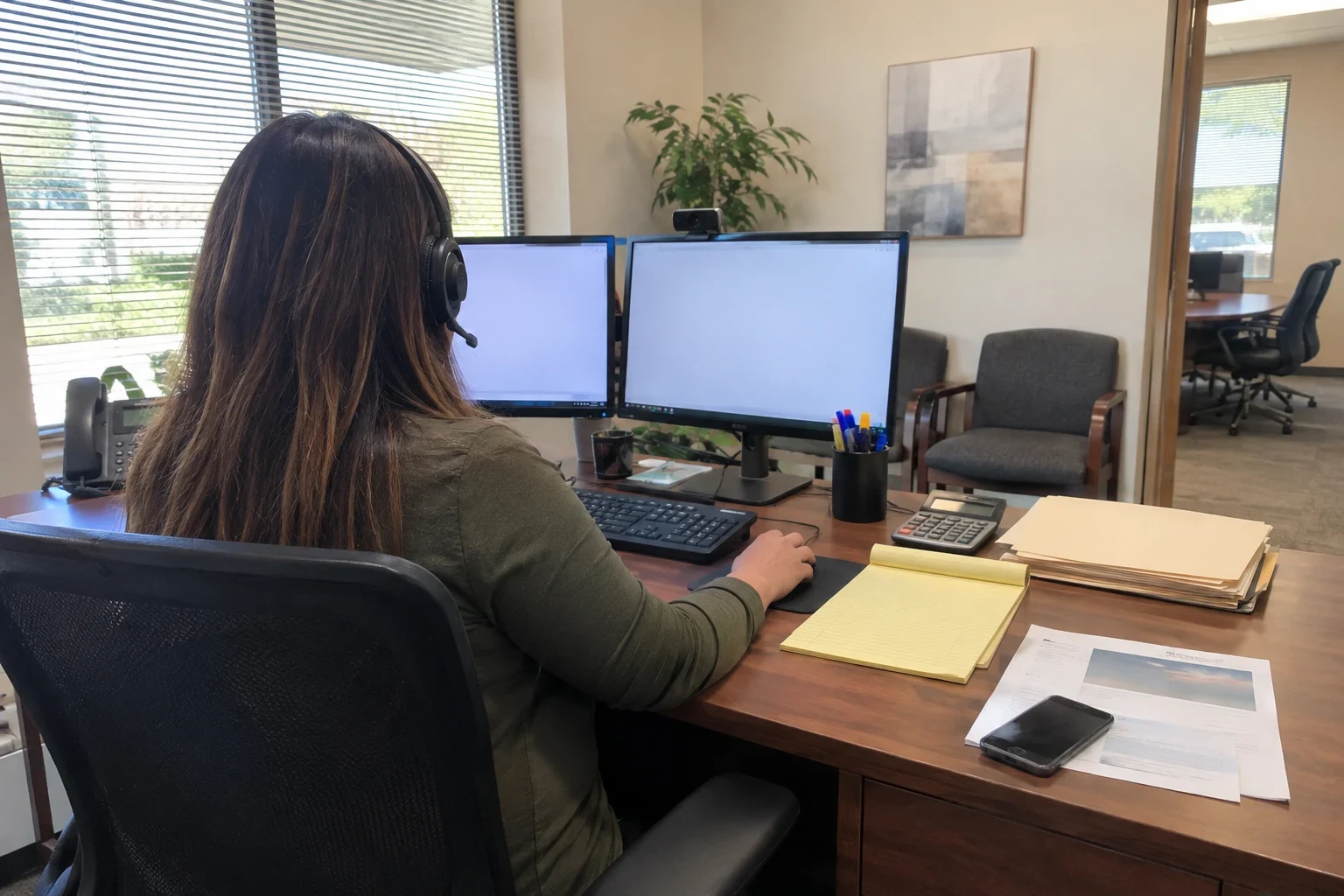
- The bulk of the day goes to reaching leads, setting appointments and running those appointments by phone or video. Coaching sessions and call reviews slot in between. Plan on 50+ hours a week, which means full, long days.
- Can I work leads from home?
- Yes. All the work is done by phone and video, so a laptop, a phone and a quiet room are what you need. The Remote Life Insurance Sales Jobs page covers the setup in more detail.
Ready to work leads you don't have to buy?
Start with a career interview. We'll go over how leads are handed out, what licensing takes and how pay really works.